Design Harmony: Integrating Traditional and Contemporary Elements in Modern Construction May 01, 2026
Design harmony starts with understanding the core principles of traditional and contemporary designs. Traditional architecture is often characterized by its rich details, warm colors, and use of natural materials like wood and stone. These elements evoke a sense of history and classic elegance. In contrast, contemporary design is marked by clean lines, minimalistic forms, and the innovative use of materials such as glass and metals, creating structures that feel fresh and forward-thinking.
To create a cohesive design that marries these two styles, start by identifying the predominant architectural style of the space. If you're working with an older building, embrace its historical elements by preserving key features such as crown moldings, wooden beams, or classic flooring. These elements can then be highlighted with modern furnishings and layouts. For instance, pairing an antique wooden dining table with sleek, modern chairs can create a striking balance, maintaining respect for tradition while embracing modern aesthetics.
Colors play a significant role in integrating traditional and contemporary styles. A neutral color palette serves as a versatile backdrop that allows for a natural blend of both styles. Choose colors that can harmonize, such as soft beige or dove gray, which provide warmth while allowing modern elements to shine. This approach not only unifies the design but also ensures timeless appeal.
Lighting is another critical aspect to consider. Traditional spaces often feature ornate lighting fixtures, while contemporary designs favor recessed lighting or minimalist lamps. Combining the two can result in dramatic and functional lighting schemes. Imagine a classic chandelier set against a backdrop of understated, contemporary lighting—it can illuminate a space while adding depth and texture.
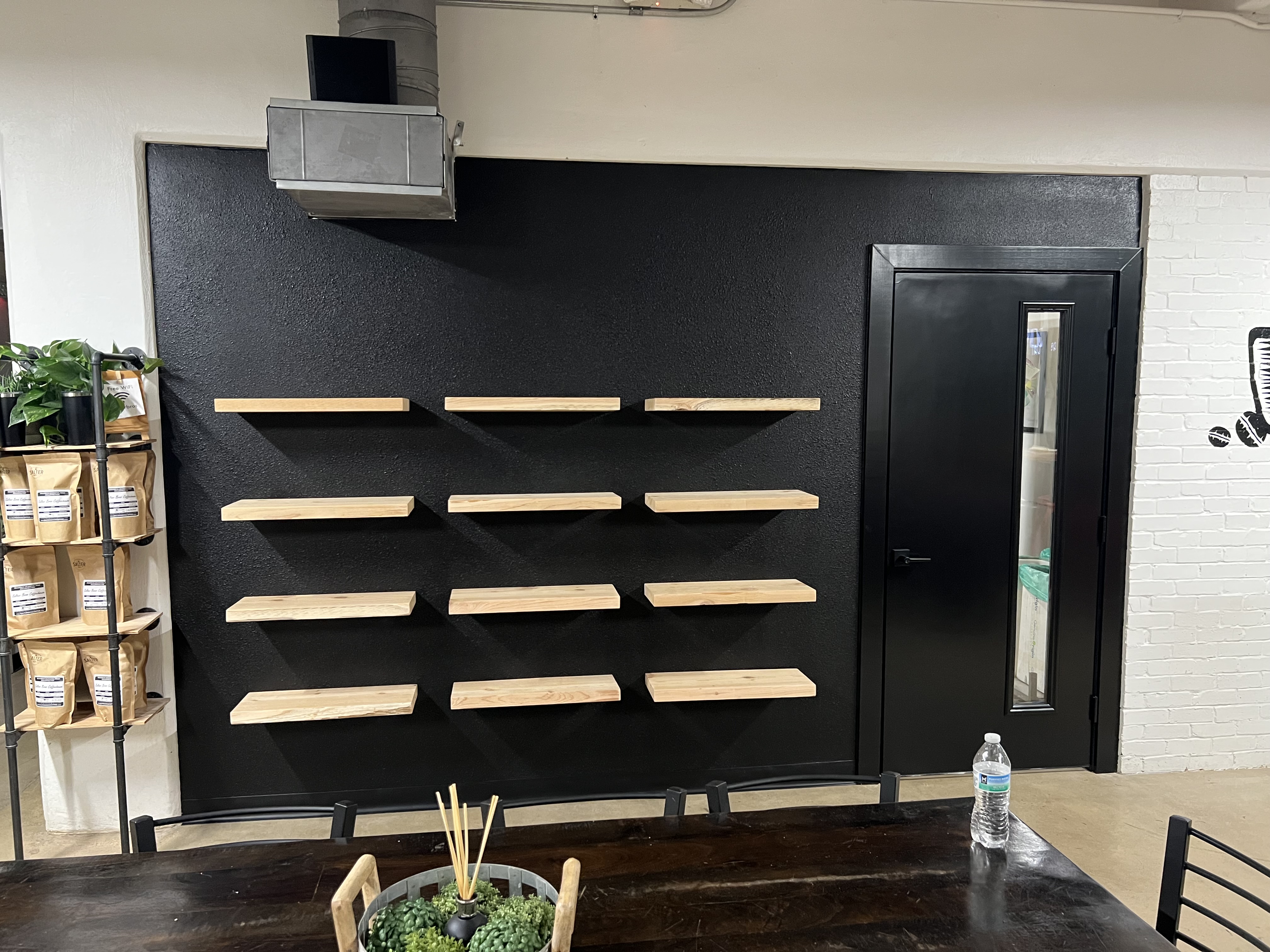
When it comes to materials, juxtaposing old and new can yield stunning results. Mixing reclaimed wood or exposed brick with polished marble or concrete can create a striking visual contrast that is both warm and sophisticated. This blend of textures ensures that the space feels layered and dynamic rather than static and one-dimensional.
Incorporating artwork and decorative items is another way to balance the traditional with the contemporary. Choose art pieces that echo the historical elements of the space but have a modern interpretation. This could be through abstract art forms inspired by classical themes or sculptures that nod to historical motifs but use modern materials.
Finally, consider the role of technology in your modern construction and remodeling projects. Smart home features, integrated seamlessly, can enhance the contemporary feel of a space without overshadowing traditional design elements. Whether it’s automated lighting or smart thermostats, these features can provide comfort and efficiency while maintaining the aesthetic balance.
In conclusion, achieving design harmony between traditional and contemporary elements is an art that combines appreciation for history with innovation. By thoughtfully blending these styles, clients of FORTZA GC can enjoy a space that is not only functional and beautiful but also reflective of their unique tastes and lifestyles. This approach not only respects the past but also embraces the future, resulting in spaces that are engaging, inviting, and timeless.
/filters:no_upscale()/filters:format(webp)/media/799fdf0d-23b6-46d3-af7b-ae964ee1b538.jpeg)
/filters:no_upscale()/filters:format(webp)/media/bd91216b-1480-4236-8389-9e34b8295a96.jpeg)